News
Artists’ experiences of working with IHME Helsinki


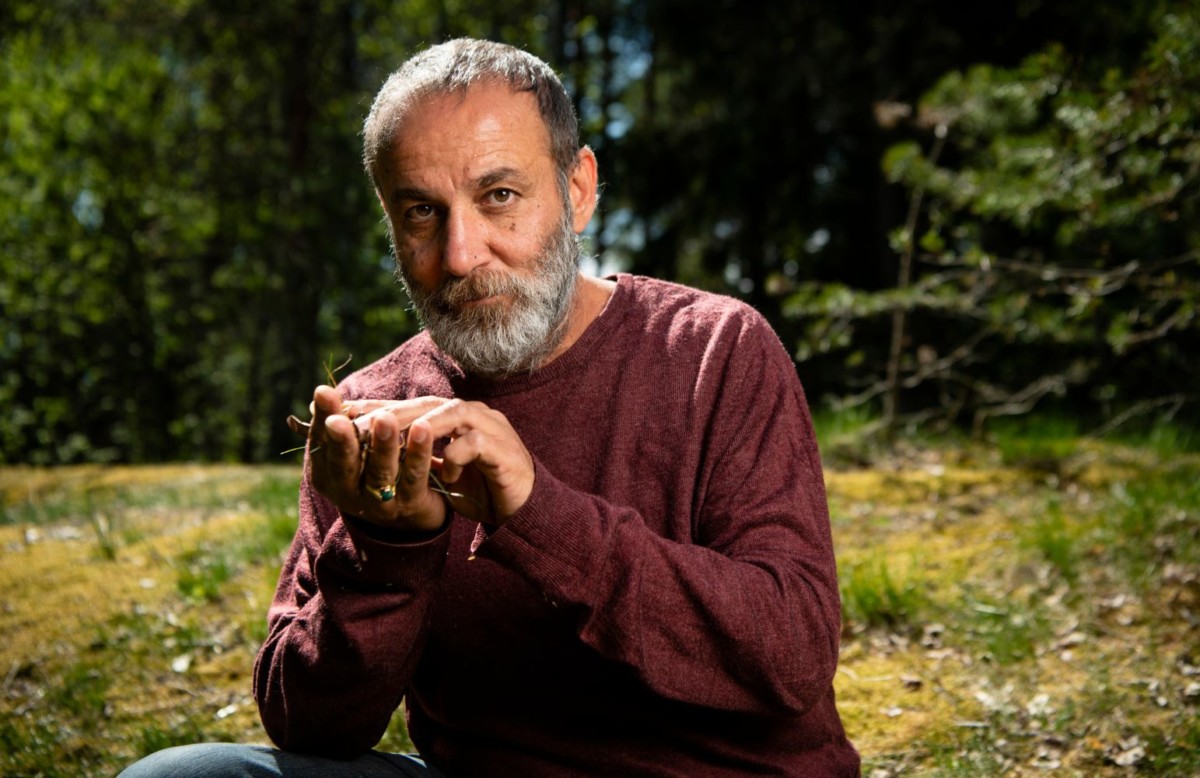
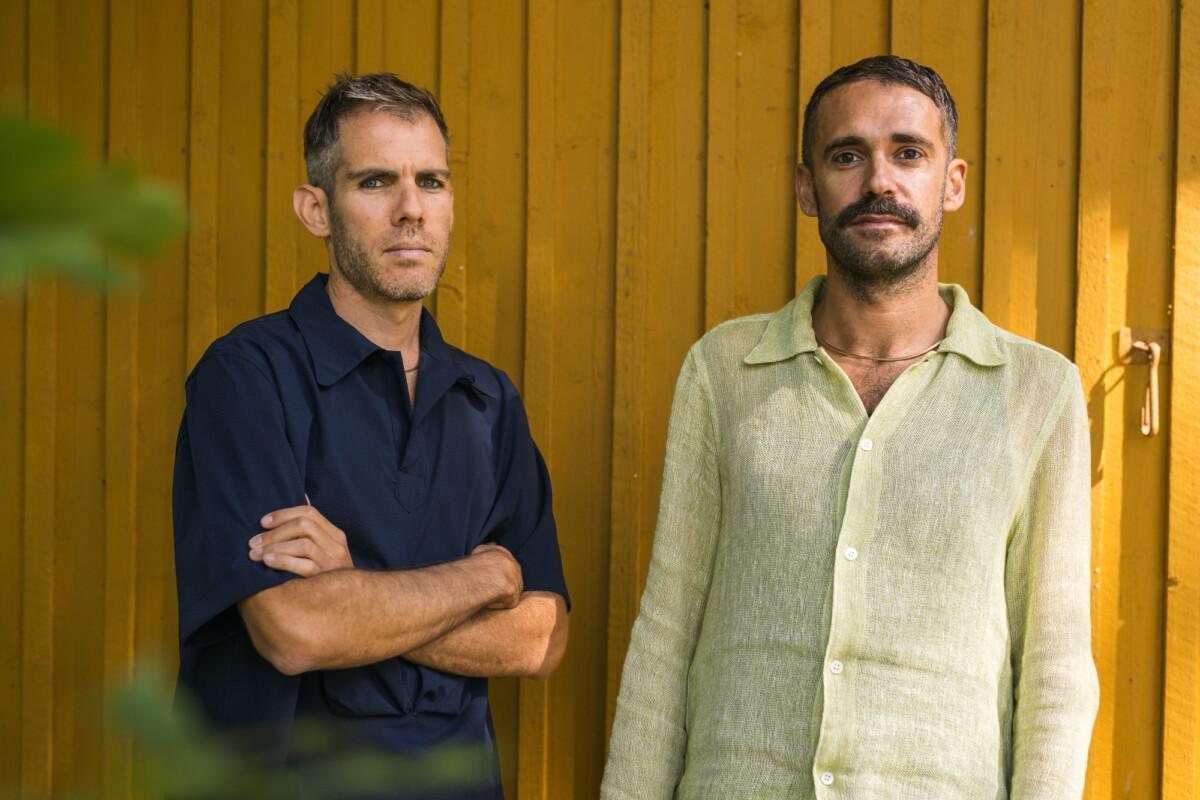

IHME Helsinki’s operating model for an ecologically sustainable, contemporary-art-commissioning agency is now six years old. We have made artistic freedom a reality in the context of life-sustaining systems with seven international artists: Norwegian Jana Winderen (2020); Scottish Katie Paterson (2021); Indian Amar Kanwar (2022); Kurdish-Iraqi Hiwa K (2023); London-based duo Cooking Sections — Daniel Fernández Pascual and Alon Schwabe (2024); and Ukrainian Zhanna Kadyrova (2025). We asked each of them to talk about their experience of working with IHME Helsinki.
For all of them, our operating model — producing one public artwork per year — was unique on the international art scene. It has allowed for an extended, focused working process and immersion in a theme in collaboration with researchers and experts from variety of fields. Creating ecologically sustainable public art has also challenged the artists to re-examine their own practices.
Inspired by an ecological ethos
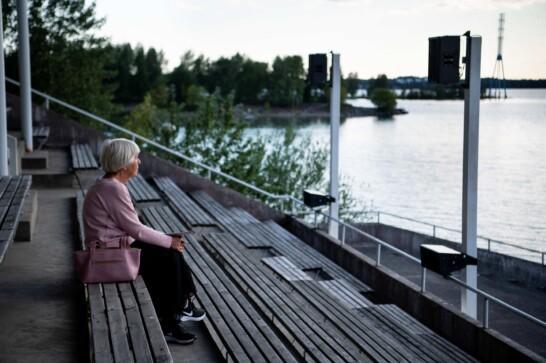
Norwegian sound artist Jana Winderen’s IHME Helsinki Commission 2020, Listening Through the Dead Zones, was staged in August 2021 at Töölö Rowing Stadium, having been delayed by the COVID-19 pandemic. Winderen saw IHME Helsinki’s ecologically sustainable practices as encouraging its artists and partners to re-assess their artistic methods, and hence influencing their approaches more broadly. She also felt it was important that the entire team was fully committed to the project, and that she could work closely with the curator.
The model allows the artist to genuinely engage at length with the local context and to develop the concept of the artwork.
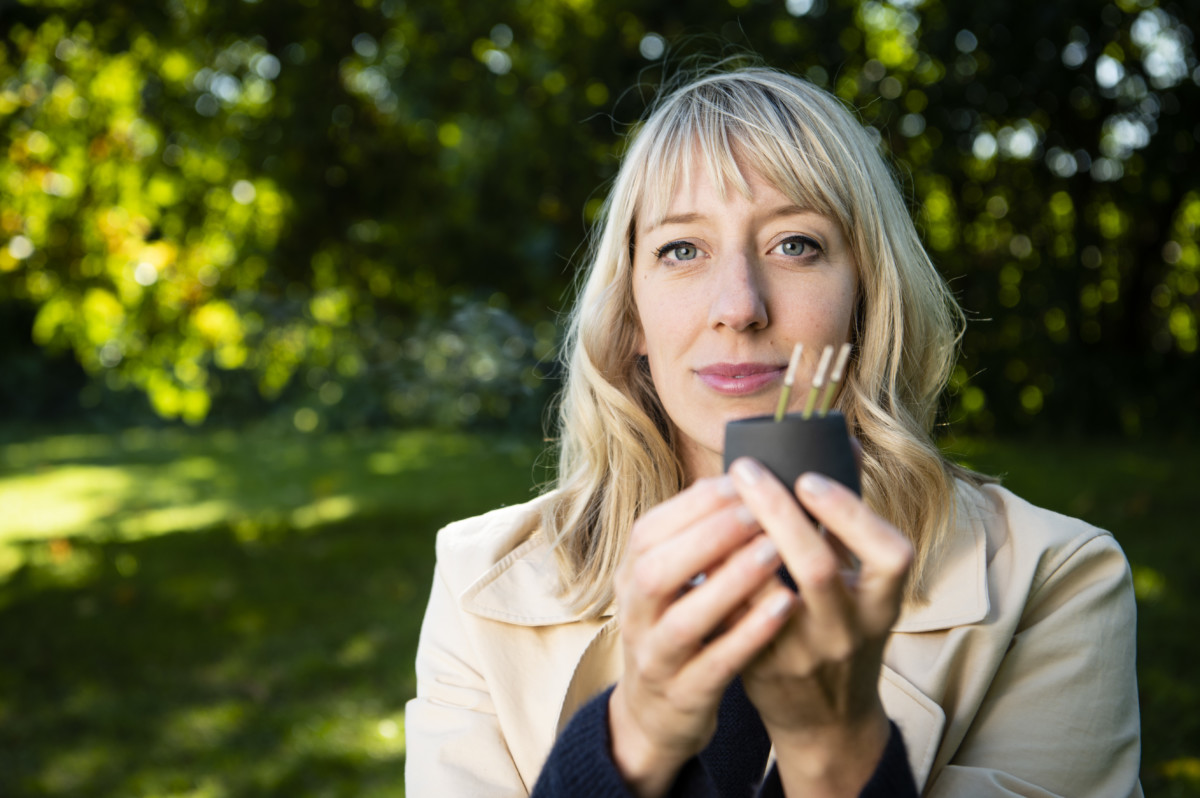
In September of the same year, Scottish artist Katie Paterson executed her IHME Helsinki Commission 2021 To Burn, Forest, Fire. For one month, incense ceremonies were held in various locations throughout Helsinki for diverse audiences. We burned incenses created to evoke the aromatic environments of the first and last forests on Earth. Paterson similarly expressed that the ecologically sustainable approach to making art infused the entire production process of her commission. Her team was particularly impressed by the transparency in calculating and reporting the Commission’s carbon footprint:
This sets an inspiring standard of accountability across the broader cultural field.
Allowing risk taking and experimentation
IHME Helsinki Commission 2022 was Learning from Doubt, a ten-week online course by Indian artist Amar Kanwar. The open for all course was run in collaboration with the Academy of Fine Arts of the University of the Arts Helsinki and the Helsinki Institute of Sustainability Science (HELSUS) at the University of Helsinki. The COVID-19 pandemic still influenced the making of the artwork, but also served as an opportunity to explore how public art exists in public time.
Kanwar was particularly grateful for the opportunity to implement the large-scale experiments, activities, and processes that this prolonged collaboration made possible. He said it is rare to find an institution capable of committing to a single project for an extended period:
The openness to experiment, the ability to take and allow risks, and to support this with adequate financial resources is amazing. The commitment to ecological security and values was not superficial, but firm and determined, something that informed everything we did, and which was understood by everyone involved.
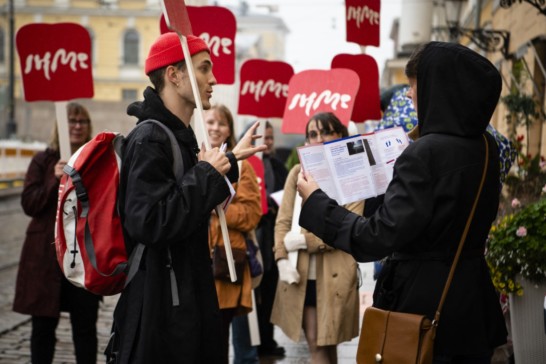
With Kurdish artist Hiwa K, we carried out his long-term Chicago Boys project simultaneously in Helsinki and Sulaymaniyah, Iraqi Kurdistan, in April–May 2023. Thanks to this collaboration, Hiwa K was able to present his artwork, which had been exhibited in several countries, in his native country for the first time:
I am very grateful for IHME Helsinki’s support for this project in my home country. We were able to create a new local discourse on ecology by collaborating with various communities, for instance, by creating the first schoolbook on ecology in Kurdish, planting oak trees, and holding band rehearsals in an abandoned museum building. This was only the beginning of a project that will continue into the future.
Art/Science dialogue
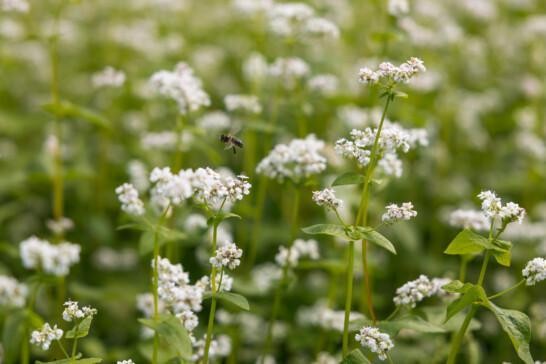
London-based duo Cooking Sections created the Maaleipä Challenge as IHME Helsinki Commission 2024, inviting everyone from home bakers to professional chefs to develop bread recipes that nourish the soil, the climate, and the human gut. Artists Daniel Fernández Pascual and Alon Schwabe also affirmed IHME Helsinki’s uniqueness as an international art institution. Alongside its ecological commitment, they especially appreciated the focus on fostering a research-based process:
This approach allows profound interaction between different fields of art and science, and boosts meaningful collaboration between artists, researchers, and local communities.
For Ukrainian artist Zhanna Kadyrova, our collaboration enabled the longest artwork process of her career — lasting two years and even continuing after the work’s completion. IHME Helsinki Commission 2025 was a six-week exhibition, The Forest, at the Power Plant Museum next to the Old Town Rapids in Helsinki. In the project Kadyrova had the opportunity to do long-term background work together with experts from various fields:
Creating the IHME Helsinki Commission was an amazing opportunity to do something new and long-term in my artistic practice. In doing this work, I was able to integrate researched knowledge and multiple media.
Artists’ experiences reveal how rare — yet vitally important — it is to enable a long-term artistic process focused on a single work. Such a process allows for more ecologically, socially, and economically sustainable ways of working, since there is time to question previous practices. Ecological thinking is integral to the curation and production permeating the whole process.
Rooted in profound commitment and the integration of art, science, and climate work, IHME Helsinki Commissions have a transformative impact on both their creators and audiences. Just as the artists felt that the long artistic process enabled them to delve deeply into their subject matter, audience feedback repeatedly emphasized the artworks’ ability to make viewers and participants pause, slow down, and immerse themselves in their content.